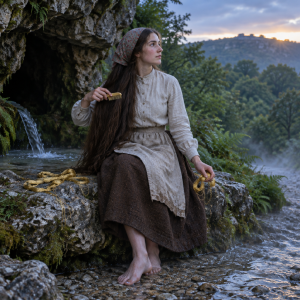
Distinguishing Characteristics of Spanish Mythology
Spanish mythology, stemming from the Iberian Peninsula, is a confluence of various cultural influences, including Roman, Visigothic, and Moorish legacies, blended with the pre-Roman beliefs of the Celts and Iberians. This unique amalgamation gives Spanish mythology its distinct flavor, characterized by a rich diversity of tales, gods, and mythical creatures that reflect the complex history and cultural exchanges of Spain. The mythology often explores themes of creation, heroism, and the struggle between divine and earthly forces, mirroring the varied landscapes and historical epochs of the region.
Major Gods
In the realm of Spanish mythology, the pantheon of gods reflects the multi-layered tapestry of the peninsula’s past. Among these, entities like Mari, a goddess from Basque mythology embodying nature and motherhood, and Ekeko, a god of abundance and prosperity, stand out. Another significant figure is Belenus, revered across Celtic Iberia, symbolizing light and healing. These deities showcase the diverse spiritual heritage of Spain, from the lush, mythic greenery of the north to the sun-soaked southern lands, illustrating a spectrum of divine guardianship over nature, health, and fortune.
Major Mythological Beasts
Spanish folklore is inhabited by an array of mythological beasts that animate its mountains, forests, and waters. The Tarasca, a dragon-like creature of medieval legend, embodies the fears and challenges overcome by communities through collective action. Similarly, the Basajaun, the lord of the woods in Basque mythology, and the Cuelebre, a dragon that guards treasures in Asturian and Cantabrian myth, are testament to the rich narrative of interaction between humans and the mythical natural world around them.
Major Mythological Tales
The tapestry of Spanish mythology is woven with tales that capture the imagination and convey moral and cultural values. The legend of the Laguna de la Janda, where a battle between gods resulted in the transformation of a lake into a fertile plain, illustrates themes of sacrifice and change. El Cid, a historical figure enveloped in myth, represents the hero’s journey, valor, and the quest for justice, embodying the intertwining of history and myth in Spanish culture.
Impact on Modern Civilization
Spanish mythology has left a lasting imprint on modern civilization, influencing literature, art, and cultural celebrations. The mythological themes of transformation, resilience, and the symbiotic relationship between humanity and the natural world resonate in contemporary environmental movements, reflecting ancient wisdom in the stewardship of Earth. Festivals like the Fiesta de San Juan, blending pagan and Christian traditions, showcase the enduring legacy of mythological rituals in celebrating life, community, and the cycles of nature.