Southeast Asian Mythology: An Enigmatic Tapestry
Southeast Asian mythology is a rich amalgamation of beliefs, stories, and spiritual practices that span across countries such as Indonesia, Thailand, Malaysia, Vietnam, the Philippines, and more. Unlike the linear narratives and pantheons found in Western mythologies, Southeast Asian myths are characterized by their vibrant diversity, syncretism, and the profound influence of both indigenous animism and imported religions like Hinduism and Buddhism.
The Pantheon of Deities
The pantheon of Southeast Asian mythology is as diverse as the region itself, with each culture boasting its own array of gods and goddesses, often embodying natural elements, moral virtues, and ancestral spirits. Among these, the Thai god Phra Phrom (the Thai representation of the Hindu god Brahma) is revered for creation, while the Philippine deity Bathala is known as the supreme god of creation. Dewi Sri, the rice goddess in Javanese and Balinese mythology, highlights the agricultural essence of the region’s spirituality.
Mythological Beasts: Guardians and Challengers
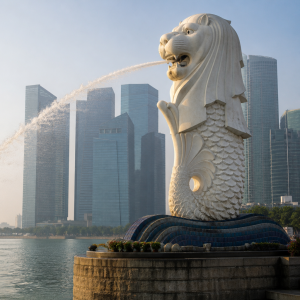
Mythological beasts in Southeast Asian myths serve as both protectors and challengers, shaping the moral and natural landscape. The Naga, a serpent-like dragon prevalent in several Southeast Asian cultures, symbolizes water and protection. Meanwhile, the Garuda, a bird-like creature found in Hindu and Buddhist mythology, represents speed, force, and martial prowess, often depicted as vanquishing naga and other malevolent entities.
Tales of Creation, Valor, and Wisdom
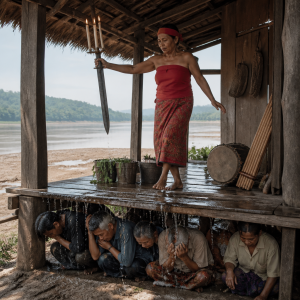
The mythological tales of Southeast Asia are a storied collection of creation myths, epic battles, and allegorical folklore. The Ramakien, Thailand’s national epic derived from the Hindu Ramayana, tells of heroism, loyalty, and the struggle between good and evil. The Philippine epic, Hinilawod, narrates the adventures of demigod heroes, delving into themes of kinship, valor, and destiny.
Impacts on Modern Civilization
The mythology of Southeast Asia has deeply permeated modern culture, influencing art, literature, and even political and social structures. Traditional dances, shadow puppetry, and temple architecture across Southeast Asia draw heavily from mythological stories and characters, serving as a bridge between the past and present. Moreover, these myths have contributed to shaping the moral and philosophical underpinnings of Southeast Asian societies, emphasizing harmony with nature, respect for hierarchy, and the importance of community.