Distinguishing Characteristics of Meitei Mythology
Meitei mythology, stemming from the Meitei people of Manipur, India, is rich in its unique blend of animism, shamanism, and ancestor worship. Unlike more widely recognized mythologies, it interweaves the spiritual with the natural world in a manner that highlights a deep respect for the environment. Central to its belief system is the concept of Sanamahi, the household god, illustrating the intimate connection between the divine and daily life. The mythology is also notable for its extensive oral literature, including folk tales, rituals, and dances that have been passed down through generations, preserving the Meitei language and culture.
Major Gods
Among the pantheon of Meitei deities, a few stand out for their significance:
- Lainingthou Sanamahi: The supreme god of creation and household welfare, Sanamahi is worshipped for guidance and protection.
- Pakhangba: A dragon-serpent deity symbolizing power and the universe’s creation, embodying the intertwining of earthly and celestial realms.
- Leimarel Sidabi: The goddess of earth, fertility, and the underworld, representing the cycle of life and death.
These deities reflect the Meitei’s intricate understanding of the cosmos, where gods are not distant entities but integral to the community’s fabric.
Major Mythological Beasts
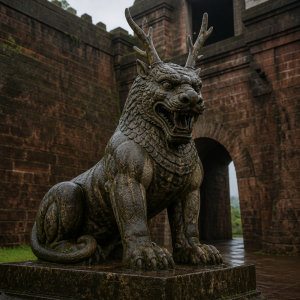
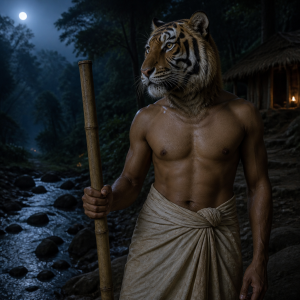
Mythological creatures in Meitei folklore often serve as symbols of natural phenomena or moral lessons. The Dragon-Serpent, akin to Pakhangba, represents the primal force of nature and the interconnectedness of life. Keibu Keioiba, a man turned into a tiger, highlights themes of transformation and the thin line between humanity and animality, teaching lessons about respect for all beings.
Major Mythological Tales
One pivotal tale is the story of Khamba and Thoibi, a tragic romance that echoes through Meitei culture, emphasizing themes of love, loyalty, and fate. This narrative, akin to classic epics, showcases the depth of human emotion and the complexities of societal obligations.
Another significant story is the Creation Myth, detailing how the universe was formed from a void, with gods playing crucial roles in shaping the earth, sky, and living beings, illustrating the Meitei’s cosmological views.
Impact on Modern Civilization
Meitei mythology has profoundly influenced contemporary Meitei culture, from rituals and festivals to literature and the arts. Its emphasis on harmony with nature has fostered a deep-seated environmental consciousness among the Meitei people. Moreover, the mythology has contributed to the preservation of the Meitei language and scripts, fostering a sense of identity and continuity. In the broader context, it offers a window into the diverse tapestry of India’s cultural heritage, promoting understanding and appreciation of indigenous beliefs and practices.