Distinguishing Characteristics of Maltese Mythology
Maltese mythology is characterized by its amalgamation of various cultural influences, reflecting the island’s strategic position in the Mediterranean Sea. This cross-cultural blend has resulted in a rich tapestry of myths that incorporate elements from neighboring civilizations, yet distinctly Maltese in flavor. The mythology often revolves around themes of fertility, agriculture, and seafaring, mirroring the island’s historical dependence on these aspects for survival.
Major Gods
While Maltese mythology does not have an extensive pantheon of gods like Greek or Roman mythologies, it features entities that reflect the island’s prehistoric worship of fertility and nature. One such figure is the representation of a fertility goddess, akin to the figures found at Ħaġar Qim and Mnajdra temples, which are among the oldest free-standing structures in the world. These deities symbolize the reverence for fertility, motherhood, and the cycles of nature, playing a central role in the mythological landscape of Malta.
Major Mythological Beasts
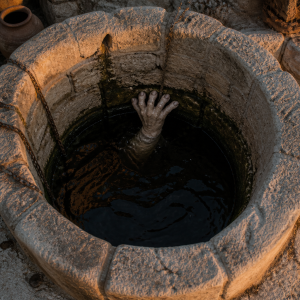
Maltese mythology, though not abundant in mythological beasts as other cultures, features tales of creatures that are deeply embedded in local folklore. The Il-Haddiela, for example, is a paralising hag that stalks the night, which has been a part of Maltese folklore for centuries. Such creatures embody the islanders’ fears and superstitions, serving as cautionary tales that have been told and retold across generations.
Major Mythological Tales
Among the most captivating tales in Maltese mythology are those related to the prehistoric temples and the legends of giants. According to legend, these temples were built by giants, a narrative that emphasizes the mysterious origins and the monumental effort involved in their construction. Another notable tale is the legend of Calypso’s Isle, identified with the Maltese island of Gozo, where the nymph Calypso is said to have held Odysseus captive, as narrated in Homer’s Odyssey. These tales not only enrich Malta’s mythological landscape but also link the island to the broader epic narratives of the Mediterranean.
Impact on Modern Civilization
Maltese mythology, though not as widely recognized as other mythologies, has subtly influenced modern culture, particularly in the realms of literature and tourism. The island’s mythological sites and legends attract visitors from around the globe, drawn by the allure of stepping into a landscape steeped in myth. Additionally, Maltese folklore and tales continue to inspire writers, artists, and filmmakers, contributing to the global tapestry of mythological and cultural narratives.