Distinguishing Characteristics of Guyanese Mythology
Guyanese mythology is a rich amalgamation of Amerindian, African, and Indian influences, reflecting the diverse ethnic tapestry of the nation. These myths serve not only as entertainment but also as moral compasses and historical archives, preserving the wisdom and heritage of Guyana’s people. Stories are deeply intertwined with nature and the spiritual realm, featuring a unique blend of magical realism and local folklore.
Major Gods
Guyanese mythology does not center around a pantheon of gods as seen in Greek or Roman mythologies but rather focuses on spirits and legendary figures that wield influence over the natural and supernatural worlds. These entities often derive from African and Amerindian traditions, embodying the powers of nature and human traits.
Major Mythological Beasts
- The Old Higue: A shape-shifting witch often depicted as an old woman who can transform into a ball of fire at night to suck the life force from unsuspecting victims, particularly infants.
- Baccoo: A mischievous spirit resembling a small man who can be trapped in a bottle and is known for causing chaos if not appeased with offerings like bananas and milk.
- Massacuraman: A water devil reputed to pull the unwary into the river to drown them, symbolizing the dangers lurking within Guyana’s vast waterways.
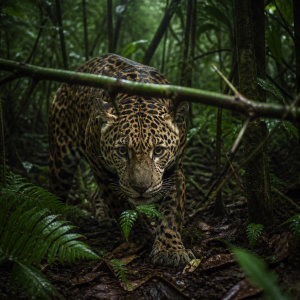
- Kanaima: A bush devil or spirit that embodies retributive justice, haunting those marked for vengeance and ensuring they meet a dire fate, much like a living curse.
Major Mythological Tales
Tales of the Old Higue and Baccoo dominate the mythological landscape, serving as cautionary tales that teach respect for the mysteries of the night and the importance of community vigilance. The story of the Kanaima, an avenger summoned to fulfill a blood debt, is a stark reminder of the inescapable nature of tribal justice and the deep-rooted belief in spiritual retribution.
Impact on Modern Civilization
Guyanese mythology has significantly influenced the cultural identity and societal norms of the country. These myths reinforce communal values, highlight the consequences of moral failings, and underscore the respect for both the seen and unseen forces of the world. In contemporary times, these stories continue to be a vital part of cultural celebrations, artistic expressions, and community storytelling, providing a sense of continuity and connection to the past.
The ongoing relevance of these mythological themes speaks to their foundational role in shaping the collective consciousness of Guyana, bridging generations through shared stories and common fears. These narratives not only entertain but also educate, offering insights into the human condition and the complexities of life in a uniquely Guyanese context.