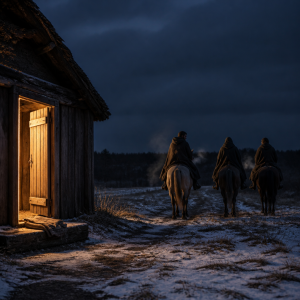
Gaming Mythology: Living Legends for a Plugged-In Age
Step into any pixel-lit dungeon or roll the dice across a battered tabletop, and you’ll find yourself in a new pantheon—one that rivals Olympus or Valhalla for strangeness, scale, and staying power. Gaming mythology isn’t just a shadow cast by old gods—it’s the relentless forging of new legends, creatures, and tales, shaped by millions of hands and minds. It’s alive, unpredictable, and always evolving.
Distinguishing Characteristics of Gaming Mythology
Unlike the fossilized bones of ancient myth, gaming mythology is restless. It thrives on interactivity. Here, the player isn’t just a bystander: they’re the hero, the antihero, sometimes even the monster. Every session is a ritual, every campaign a saga. The boundaries between creator and audience blur—what began in a designer’s fever dream mutates in the wilds of fandom and forum.
Gaming myths are iterative. Bosses resurrect. Worlds reset. Heroes die, respawn, and return to the fray, their legends growing every time someone dares “just one more round.” Old monsters get reskinned and rebooted, and new gods rise as new genres appear. The only constant: change, and the shared joy of discovery.
Major Gods of Gaming
If you want gods, you’ll find them stalking the code and cardboard of nearly every great game. They may not all demand sacrifice, but most demand respect.
GLaDOS (Portal): Not your average goddess, but a rogue AI whose wit is as sharp as her malice. She rules her domain with tests and taunts, the perfect tyrant for a digital labyrinth.
Sephiroth (Final Fantasy VII): The one-winged angel. More than a villain, he’s become a figure of apocalyptic charisma—a digital Lucifer whose very name conjures dread.
The Lady of Pain (Planescape: Torment): A silent, omnipotent ruler who stalks the city of Sigil. She answers no prayers, gives no warnings—those who cross her vanish, mythically and literally.
Cthulhu (across countless games): Borrowed from Lovecraft, but reborn in digital seas and dungeons, this eldritch titan has become a recurring god of madness and secret knowledge.
The Dungeon Master (Dungeons & Dragons): Sometimes faceless, sometimes the player at the end of the table. Their power: absolute, creative, and always a little capricious.
These are just a few; the real gods of gaming are legion. Bow to the Elder Scrolls’ Daedric Princes, Pokémon’s Arceus, or the shifting avatars of Minecraft’s developers—every game world gets the gods it deserves.
Major Mythological Beasts
If gods set the rules, monsters keep you honest. Gaming’s bestiary draws deep from the old wells—dragons, demons, hydras—but always with a twist.
Bahamut (Final Fantasy, D&D): The platinum dragon, judge of heroes and terror of the unworthy. In some games he’s a summon, in others a force for justice, but always awe-inspiring.
Ender Dragon (Minecraft): The final boss at the end of a blocky universe, a digital dragon that’s slain millions—and launched nearly as many YouTube careers.
The Lich King (World of Warcraft): Once a mortal, now a frozen god of undeath. His myth is stitched from betrayal, ambition, and the endless march of the undead.
Tarrasque (D&D): The endgame monster. Unstoppable, unreasoning, a walking apocalypse. Facing the Tarrasque is a rite of passage for tabletop heroes.
Creeper (Minecraft): Green, silent, and explosive. The archetypal digital pest, lurking in the shadows to ruin plans and teach caution.
And then there are the monsters that cross over—Cthulhu again, the Hydra in God of War, countless ghosts, golems, and “mini-bosses” lurking behind every door. The digital age didn’t kill the monster story; it multiplied it.
Major Mythological Tales
Every game worth the name tells a tale, but a handful of stories have achieved mythic stature—stories retold at conventions, whispered on forums, replayed for new generations.
The Legend of Zelda: The eternal cycle—Link, Zelda, and Ganon, endlessly reincarnated, their struggle as mythic as any sun god’s journey through night and day.
Final Fantasy VII: Meteor, Mako, and the fall of Aerith—epic stakes, cosmic power, and heartbreak on a scale worthy of ancient tragedy.
The Dungeons & Dragons Campaign: Here, the tale is collective—a table of mortals, rolling dice against fate, forging their own Iliads, complete with betrayal, sacrifice, and the occasional fart joke.
Dark Souls: The cycle of fire and darkness. Death as a teacher. The world itself as a cryptic, dying god. Here, every death is legend, every victory a myth.
Even the failures become legend—“the time everyone died to a kobold,” or the night a game crashed just before the final boss. Gaming’s mythology is lived and relived, a communal saga.
Impact on Modern Civilization
Dismiss gaming as child’s play at your peril. The creatures and stories birthed in games now shape movies, music, and even how we think about narrative and agency.
Meme culture is awash with gods and monsters: Bowser dancing, Creepers photobombing, the eternal struggle between “git gud” and “rage quit.” Games taught a generation to seek their own stories, to challenge fate, and to question the nature of the gods—digital or otherwise—who pull the strings.
Tabletop games like D&D built the bones of modern fantasy; video games layered on flesh, blood, and pixels. Their myths spill out into cosplay, fan fiction, and the endless churn of the internet’s imagination. In the classroom, gaming tropes sneak into lessons on ethics, probability, and even philosophy. In therapy, role-play becomes a tool for healing. In tech, the “boss fight” and “level up” have become shorthand for real-world challenges.
But perhaps gaming’s greatest mythic gift is a sense of agency: in these worlds, anyone can become a legend. The gods and monsters of gaming mythology remind us that myth isn’t dead—it’s respawned, rebooted, and very much alive.