Distinguishing Characteristics of Frankish Mythology
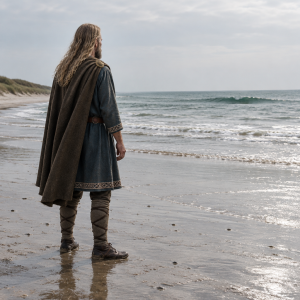
Frankish mythology, originating from the Germanic tribes that settled in what is now France, Belgium, and the western parts of Germany, represents a tapestry woven with themes of warfare, kingship, and the interaction between gods and mortals. Unlike the more commonly known Greek or Norse mythologies, Frankish mythology is lesser-known, with its stories and characters often shrouded in the mists of history. Its distinction lies in its blend of Germanic pagan traditions with the Christian beliefs that the Franks adopted following their conquests.
Major Gods
The pantheon of Frankish mythology, though not as extensively documented as that of other mythologies, includes figures that exemplify the culture’s values and beliefs. Key deities would include figures similar to those found in other Germanic mythologies, such as Woden (Odin), a god of war and wisdom, and possibly localized deities that have not been clearly documented but inferred from place names and the limited historical records. These gods and goddesses were believed to influence various aspects of life and the natural world, embodying the interconnectedness of all things.
Major Mythological Beasts
In the realm of Frankish mythology, fantastical beasts likely played roles similar to those in neighboring mythologies, symbolizing natural forces, challenges to be overcome, or protective spirits. While specific names and stories of such beasts are scarce, one could imagine creatures akin to the dragons, elves, and dwarves of Germanic and Norse mythologies, representing the mysteries of the natural world and the challenges heroes must face.
Major Mythological Tales
The tales of Frankish mythology, though less recorded, would revolve around themes of heroism, the struggle against formidable foes, and the quest for glory and honor. Stories might include the epic battles of legendary kings, the deeds of semi-divine heroes, and the interplay between the human and divine realms. These narratives would serve not only as entertainment but also as moral and cultural lessons, imparting the values of courage, loyalty, and honor.
Impact on Modern Civilization
Frankish mythology, while not as directly visible in modern culture as Greek or Norse myths, has subtly influenced our world. The Franks’ transition from paganism to Christianity under leaders like Clovis I laid the foundations for the Christianization of Western Europe. This transformation influenced art, literature, and governance, embedding the legacy of the Frankish empire in the cultural and political landscapes of the modern Western world. Additionally, the linguistic and legal frameworks established by the Franks have echoes in today’s legal systems and languages, particularly in French and German contexts.